When Tree Removal Is the Right Plant Health Care Recommendation
Not every plant health care recommendation ends with treatment. Sometimes responsible tree care means recognizing that a tree has declined beyond the point where treatment, pruning, or soil care can provide a meaningful path forward.
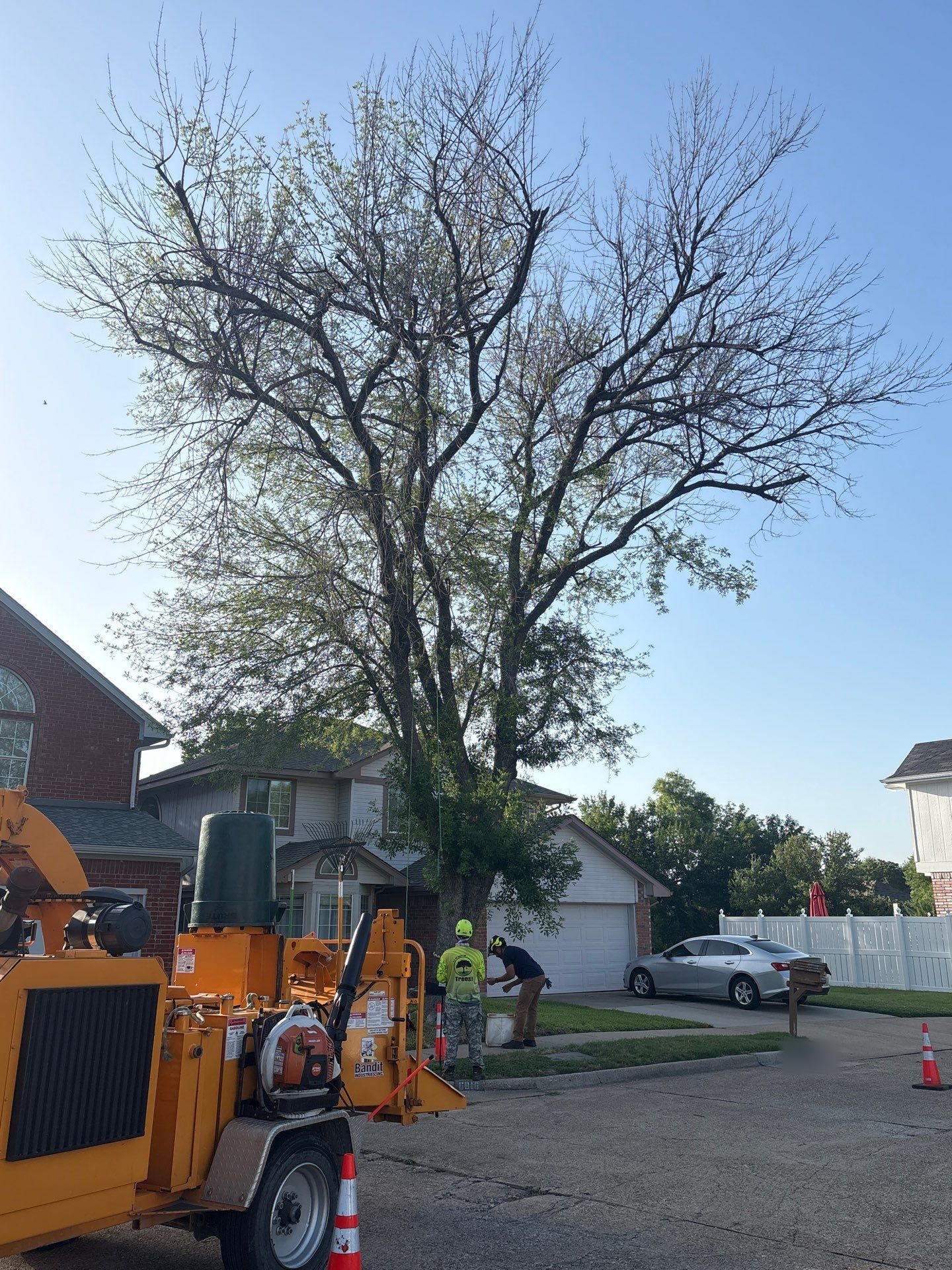
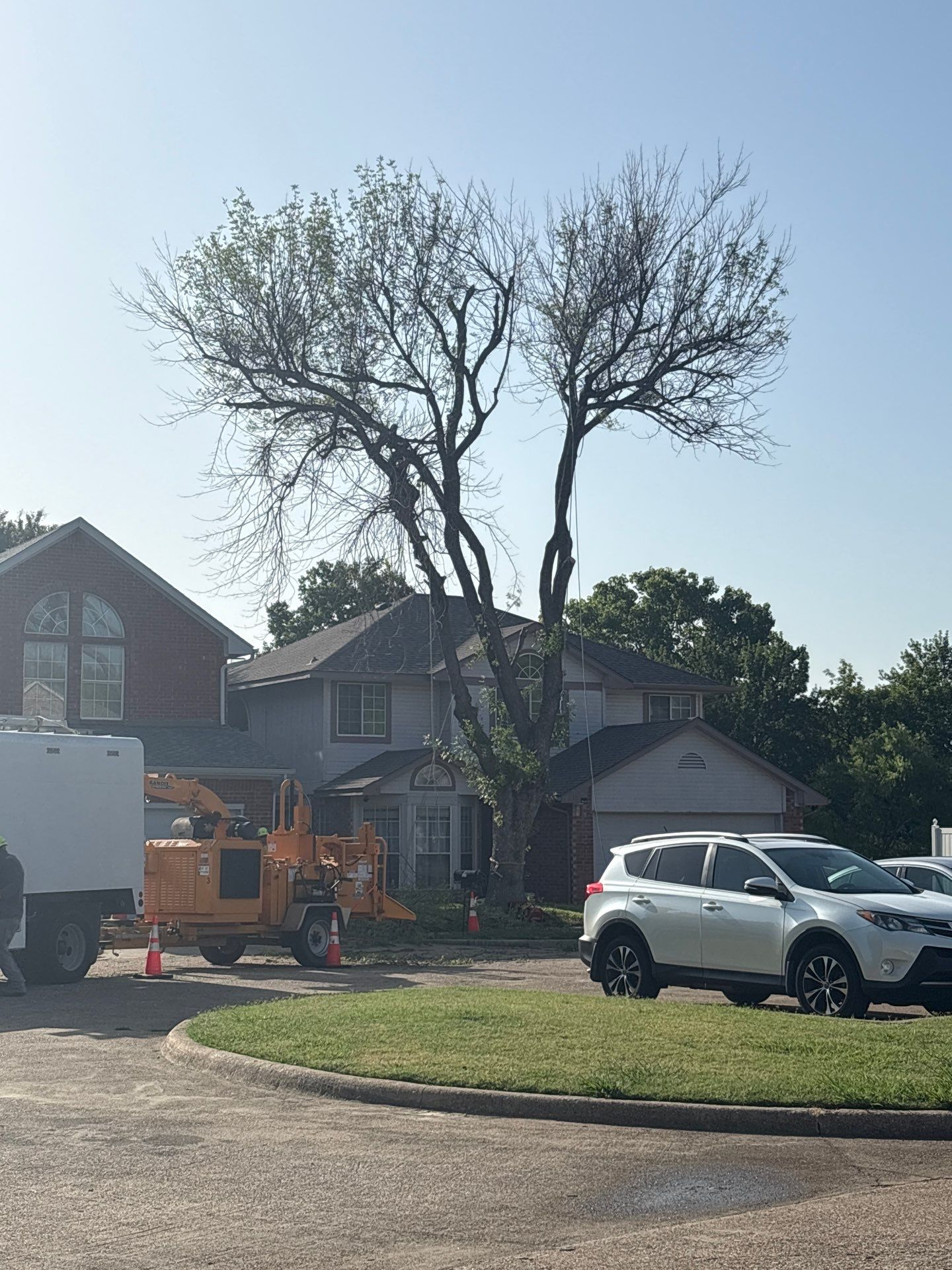
This ash had extensive canopy dieback, dead limbs, and limited healthy growth. By the time our team assessed it, removal was the responsible recommendation for the tree and the property around it.
Assess: Look at the Whole Tree
A professional tree assessment should begin with the condition of the entire tree, not with a predetermined treatment. The canopy, trunk, major limbs, root zone, surrounding soil, and recent changes in growth all help tell the story.
One dead branch does not automatically mean a tree should be removed. A thinning canopy does not automatically identify a single cause. What matters is the overall pattern, how severe the decline has become, and whether the tree still has enough healthy structure and live canopy to respond to care.
In this case, the loss of canopy was extensive. Large sections of the ash were no longer producing healthy growth, and the decline had progressed well beyond a small or isolated problem.
Diagnose: Determine How Advanced the Decline Has Become
Canopy thinning, poor annual growth, dead limbs, and repeated dieback can develop for many reasons. Site stress, root problems, weather, pests, disease, age, and previous damage can all play a role. That is why an assessment should not jump to conclusions based on the species or a single visible symptom.
The practical question is whether the tree has a reasonable opportunity to stabilize or recover. When decline is identified early, options may include targeted plant health care, selective tree pruning, soil care, or continued monitoring.
When too much of the canopy and supporting structure has been lost, those options may no longer change the outcome. Recommending treatment at that stage can add cost without providing a realistic benefit to the property owner.
Educate: Explain the Options Honestly
Plant health care is not about treating every tree. It is about understanding the tree's condition, explaining the available choices, and making an honest recommendation based on what can reasonably be accomplished.
Sometimes the right recommendation is treatment. Sometimes it is pruning, soil improvement, or monitoring the tree over time. Sometimes the responsible recommendation is professional tree removal.
Property owners deserve to understand both the potential benefits and the limitations of each option. In this case, the ash was too far gone for treatment to offer a meaningful recovery plan.
Execute: Remove the Tree With a Plan
Once removal became the recommended course of action, the work shifted from evaluating the tree to managing the removal safely and carefully. The crew established the work area, dismantled the tree in controlled sections, and managed the surrounding property throughout the process.
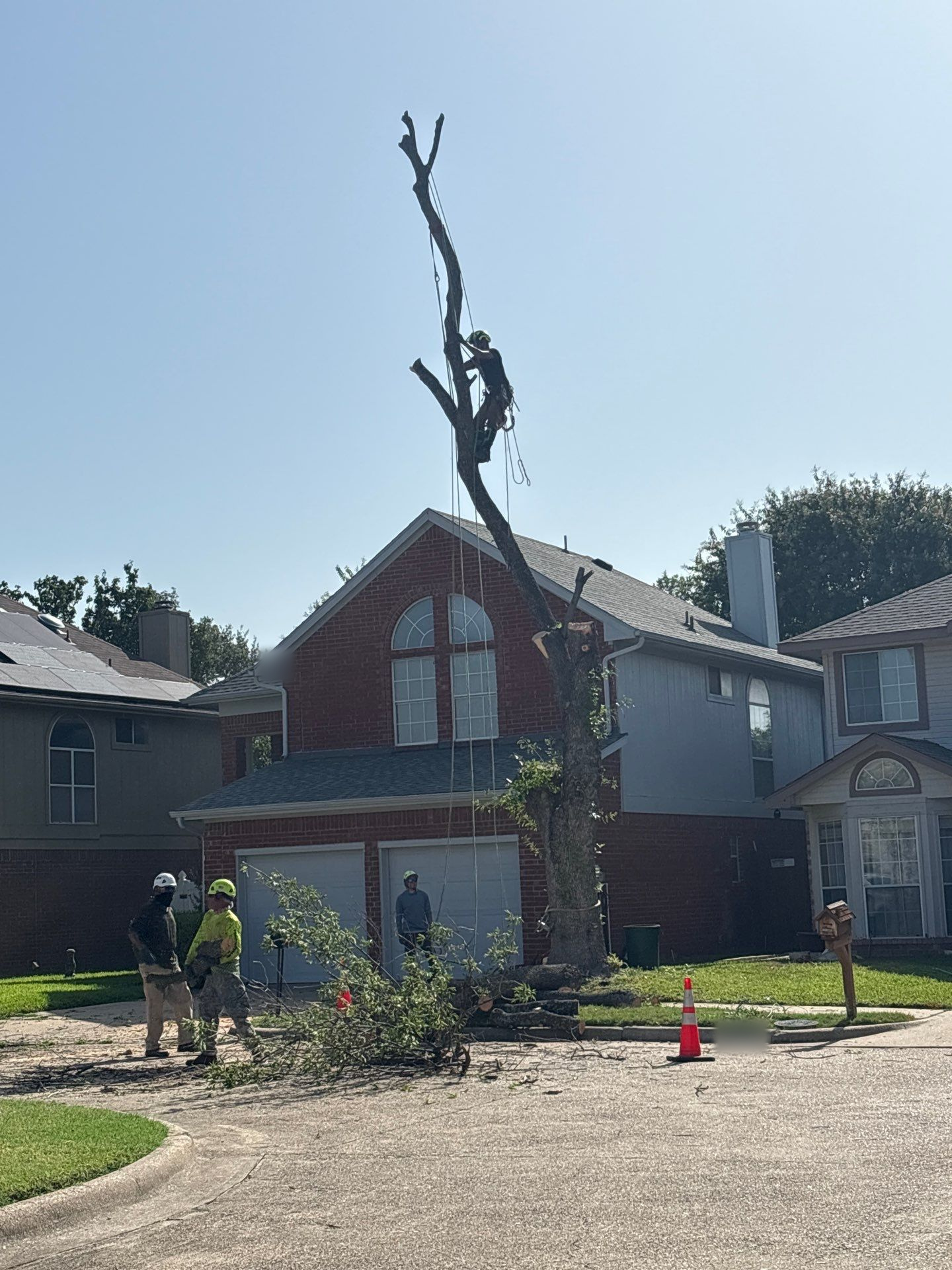
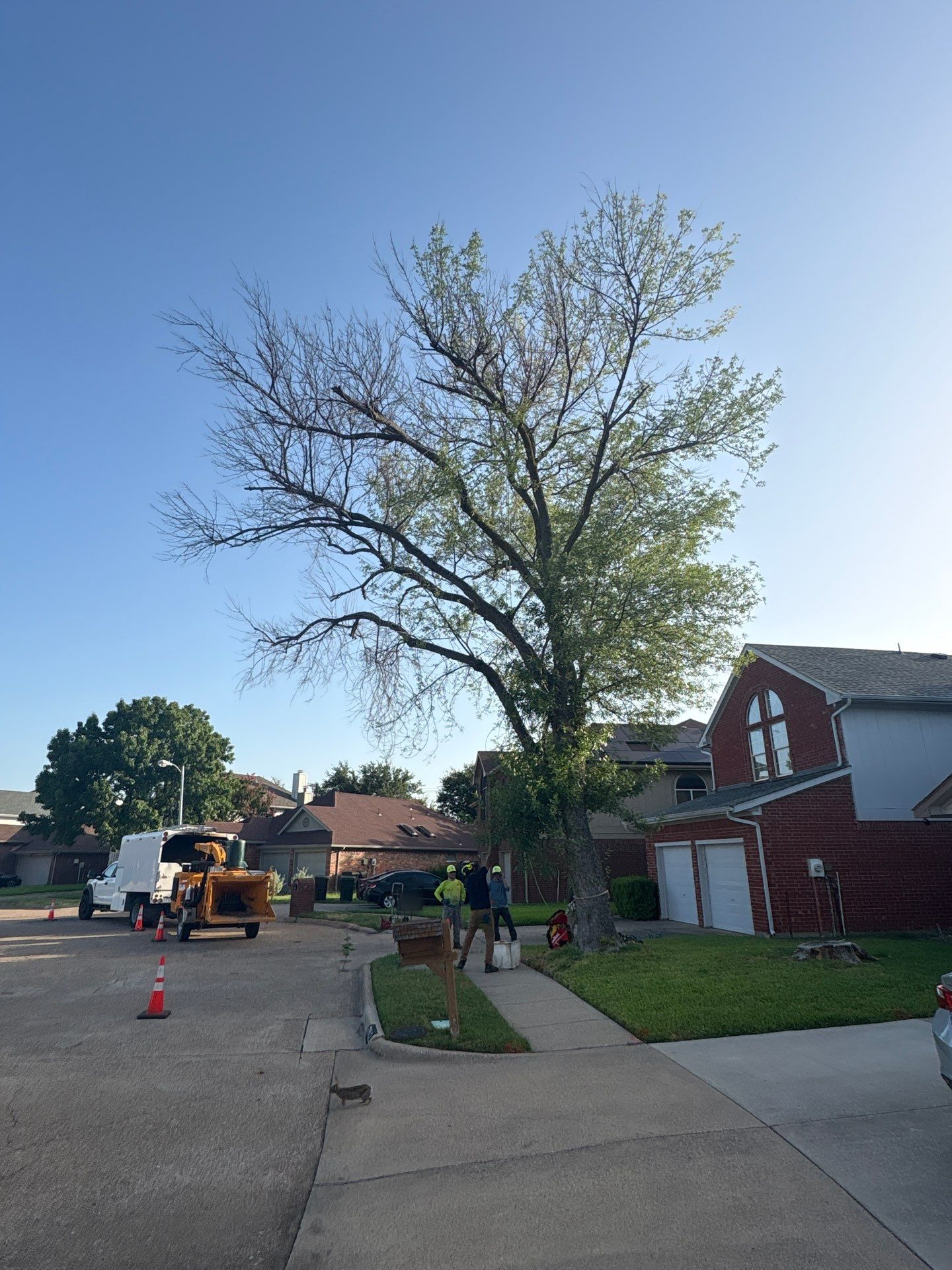
Removing the ash reduced the risk associated with continued decline and gave the homeowner an opportunity to begin planning for a replacement. When the site is ready, thoughtful tree selection and planting can help establish a healthier long-term addition to the property.
Warning Signs That Deserve a Professional Assessment
Tree decline often develops gradually. Watching for changes from one growing season to the next can help property owners act while more options may still be available. Warning signs can include:
- A canopy that is becoming noticeably thinner
- Dead limbs appearing in multiple areas of the tree
- Smaller leaves or limited new growth
- Repeated branch dieback
- Large differences in growth from one side of the canopy to the other
- A tree that continues to decline despite normal seasonal care
These signs do not always mean a tree must be removed. They do mean the tree deserves a closer look. The sooner a declining tree receives a professional tree health assessment, the more choices the property owner may have.
If sudden limb failure or severe weather causes an immediate concern, Plano Tree Care also provides storm tree damage and emergency tree services throughout North Texas.
Concerned About a Declining Tree?
Plano Tree Care Inc. provides professional plant health care assessments, tree removal, pruning, storm damage services, and tree planting throughout Plano, Collin County, Denton County, and the surrounding North Texas area.