Plano Tree Care Inc’s Spring Tree Health Checklist for North Texas
After another unpredictable North Texas winter, are you sure your trees are ready for the brutal summer heat ahead? Spotting a small issue today can prevent a costly problem tomorrow, and your tree’s health starts right at the ground. In our work with thousands of trees across North Texas, we find that the two most common threats are surprisingly easy for homeowners to spot and fix.
Your first step is to locate the root flare—that’s the part where the trunk widens at the bottom, right before it goes into the ground. This flare needs to breathe. When it’s buried under soil or grass, a tree can’t get the oxygen it needs, leading to a slow decline, disease, and eventually, rot. A visible root flare is the sign of a tree that can breathe freely.
Next, look at your mulch. A proper layer is like a blanket for the roots, and the benefits of mulching trees in spring include holding in precious moisture for summer. However, piling it high against the trunk in a “mulch volcano” does more harm than good, as it traps moisture and rots the bark. The correct method is a “mulch donut,” a 2-3 inch layer with a clear gap around the trunk.
Ready for a quick check-up? Here’s how to ensure your tree’s foundation is solid:
- Pull back any grass and excess soil from the base of the trunk.
- Look for the visible root flare where the trunk widens.
- Correct mulch by pulling it away from the trunk to create a donut, not a volcano.
Once the base is healthy, you can confidently move on to the next step: identifying dead or weak tree branches.

Step 2: Inspect the Trunk for Telltale Damage
After checking the base, run your eyes and hands over the trunk. Some trees, like crepe myrtles and sycamores, naturally shed their bark, which is perfectly normal. What you’re looking for are deep, vertical structural cracks that expose the lighter wood underneath. These can be signs of tree disease after winter or weaknesses left over from past storm damage. A large wound or a crack that appears to be growing is a clear signal that the tree’s stability could be compromised and needs a professional evaluation.
Next, look for subtle clues of unwelcome guests. If you spot small piles of what looks like sawdust near the tree’s base, you’ve likely found frass—the telltale waste product of wood-boring insects. You might also see small, uniform holes or tunnels on the bark’s surface. These are some of the most common tree pests in Plano, TX, and they can weaken an otherwise healthy-looking tree from the inside out, making it vulnerable during the next big storm.
Identifying these issues is key to protecting your property’s biggest assets. Minor scuffs or old, sealed-over wounds are usually just part of a tree’s character. However, significant cracks, peeling bark on trees that aren’t supposed to shed, or any evidence of an insect infestation are your tree’s way of asking for help. Once you’ve given the trunk a thorough look, it’s time to look up and see what the branches are telling you.
Step 3: Look Up – What Your Branches and Canopy Are Telling You
Now, shift your gaze upward from the trunk into the canopy. The first and most obvious things to look for are dead branches, a condition arborists call deadwood. These branches often appear brittle, may be missing bark, and won’t produce leaves when the rest of the tree is greening up. Identifying dead or weak tree branches early is crucial, as they are the first to break and fall during a storm, posing a risk to your roof, car, and family.
If you’re unsure whether a leafless branch is dead or just slow to bud, you can perform a simple “scratch test” on a small, low-hanging twig. Scrape a tiny bit of the bark with your fingernail. If you see green, vibrant tissue underneath, the branch is alive and just needs more time. If it’s brown and dry, the branch is dead and should be removed.
Next, look at where large branches connect to the trunk. You want to see a wide, U-shaped union, which indicates a strong, stable attachment. If you see a tight, V-shaped connection, that’s a weak point. Bark gets trapped inside this narrow angle, preventing the wood from properly fusing. When you inspect trees for storm damage, these V-shaped unions are often where branches split and fail.
Finally, scan for any branches that are crossing or rubbing against each other. The constant friction wears away the protective bark, creating open wounds. These wounds are an invitation for insects and diseases to move in. Addressing these structural issues not only makes your tree safer but also helps it stay healthy, especially when facing common North Texas threats like Oak Wilt.
Step 4: Is It Oak Wilt? Spotting North Texas’ Most Feared Tree Disease
Since we mentioned it, let’s tackle the biggest threat to our local oaks. Oak Wilt is a devastating fungal disease that can kill a Red Oak (like a Shumard or Texas Red Oak) in a matter of weeks. Because it moves so quickly, early identification during your spring check-up is absolutely critical for any chance of saving the tree or preventing its spread to neighbors.
In our area’s vulnerable Red Oaks, the disease has a few distinct, fast-moving calling cards. Be on the lookout for:
- Browning Leaves: The leaves will turn a pale tan or bronze color, starting at the outer edges and moving inward toward the stem.
- Dark Veins: As the leaves die, the veins often turn dark brown or black. This is a classic symptom called veinal necrosis.
- Rapid Leaf Drop: An infected oak will suddenly drop its leaves in the spring or early summer when it should be full and green.
If you notice any of these symptoms, do not wait or try to treat it yourself. Call a certified arborist immediately. A professional can provide a definitive diagnosis and recommend the safest course of action. Promptly addressing a sick tree is key, just as proactive care—like proper watering—is key to keeping it healthy in the first place.
Step 5: The Right Way to Water Before Summer’s Heat
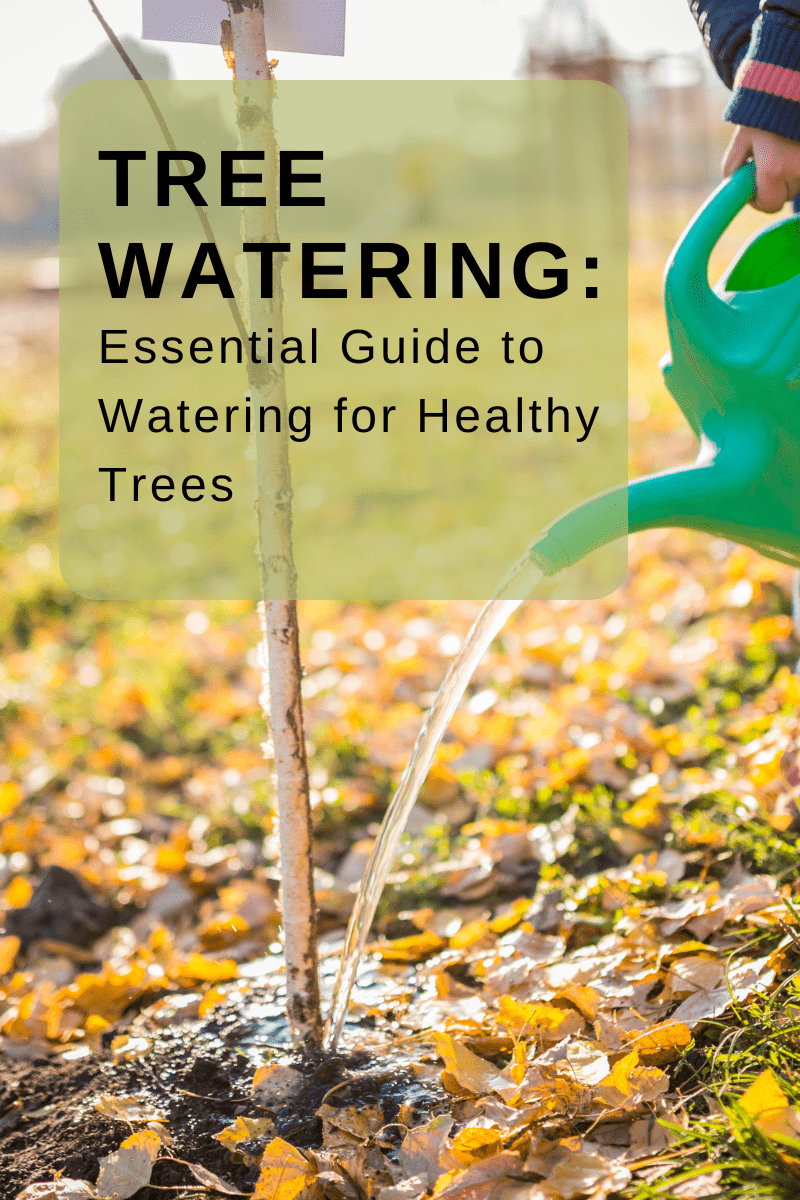
Proactive care starts from the ground up, and nothing is more fundamental than water. While it’s tempting to give your trees a quick spray with the hose every day, this common practice actually does more harm than good. Shallow watering encourages roots to stay near the hot, dry surface, making them vulnerable. The correct spring watering schedule for trees involves deep, infrequent watering. This method trains roots to grow further down into the soil, where they can find moisture and stay protected during a brutal North Texas summer, effectively preparing them for the stress ahead.
For an established tree, the best method is simple: place a garden hose several feet from the trunk, turn it to a slow trickle, and deeply water the area. A tree’s root system is huge—often extending two to three times wider than its branches—so move the hose to a few different spots around the tree to cover more ground. This ensures the water reaches the entire root zone, not just the base of the trunk, providing the thorough drink your tree really needs.
This deep soaking is only necessary every few weeks during dry spring spells. However, many North Texas trees face an additional challenge: our dense clay soil can become hard and compacted. When soil is compacted, it’s like trying to water a paved driveway; the water can’t soak in to reach the roots where it’s needed most. This problem of poor absorption often leads homeowners to wonder about other solutions. So, what about fertilizer, soil aeration, and special treatments?
Step 6: What About Fertilizer, Soil Aeration, and Special Treatments?
Many homeowners ask what the best fertilizer is for North Texas trees, and our answer often surprises them: for most mature, established trees, it’s none at all. Healthy, native, and well-adapted trees are incredibly efficient at pulling the nutrients they need from our local soil. Unlike your lawn, which requires regular feeding, your trees have deep, expansive root systems designed for self-sufficiency. Adding unnecessary fertilizer can sometimes do more harm than good.
Of course, there are exceptions. If your tree’s leaves are consistently pale yellow, are smaller than usual, or the canopy seems to be thinning out, it might be signaling a nutrient deficiency. However, these symptoms can also point to other issues like soil compaction or disease. Before you reach for a generic fertilizer, the key is to diagnose the root cause. A simple soil test performed by a professional can tell you exactly what, if anything, your tree is missing.
For trees that are genuinely struggling in our dense clay soil, professional treatments can make a world of difference. A service like soil aeration helps by safely loosening compacted ground, allowing oxygen and water to finally reach thirsty roots. When a soil test confirms a nutrient need, we use deep root fertilization. This process involves injecting a custom-blended liquid fertilizer directly into the root zone, bypassing the hard soil surface entirely.
These specialized services are powerful solutions for specific, diagnosed problems, not a one-size-fits-all spring tonic. They are most effective when applied by a certified arborist who can correctly identify the issue and prescribe the right treatment. Knowing when a tree just needs a little patience versus when it needs an expert diagnosis is the key to responsible tree ownership.

Step 7: The ‘When to Call a Pro’ Final Check
You’re no longer just looking at a tree in your yard; you’re reading its story. Before, a dead branch might have been part of the scenery. Now, you can spot the difference between normal spring growth and the first signs of a deeper issue, giving you the power to act before small problems become big ones.
This knowledge helps clarify the line between DIY tree care vs professional arborist work. The line is safety. Pruning a small branch you can easily reach from the ground is one thing. But if a job requires a ladder, a chainsaw, or concerns a tree near a structure, it’s time to call an insured professional.
Think of a certified arborist as a “tree doctor.” Their expertise is critical when you spot a serious red flag. For major issues that require expert diagnosis, advanced tree services, or potential tree removal, a professional isn’t just a good idea — it’s essential for protecting your property.
Call a Professional If You See:
- Large, dead branches high in the tree.
- Deep cracks in the trunk or major limbs.
- Suspected Oak Wilt symptoms.
- Mushrooms or fungal growth on the trunk or large roots.
- The tree is leaning suddenly.
Your simple walk around the yard has now become a powerful act of prevention. You are your tree’s first line of defense. By knowing what to look for, you can catch issues early and have peace of mind. We’re here when you need backup, so you can simply enjoy the beauty and shade of your healthy North Texas trees all season long.
Frequently Asked Questions
Question: How do I check if my tree’s base is healthy?
answer: Start by uncovering the root flare—the point where the trunk widens before entering the ground. Pull back any grass and excess soil until this flare is visible so the tree can “breathe.” Then fix the mulch: avoid a mulch volcano piled against the trunk. Instead, create a mulch donut—2–3 inches deep with a clear gap around the trunk. This setup protects roots, holds moisture for summer, and prevents bark rot.
Question: Which trunk changes are normal, and which mean trouble?
answer: Natural peeling is normal on species like crepe myrtles and sycamores. Red flags include deep, vertical structural cracks that expose lighter wood, large wounds that seem to be growing, peeling bark on species that don’t shed, and any signs of insects. Look for frass (small sawdust-like piles) and small, uniform holes or tunnels—signs of wood-boring pests that can weaken a tree from the inside. Significant cracks or insect evidence warrant a professional evaluation.
Question: How can I tell if a branch is dead or structurally weak?
answer: Deadwood looks brittle, may be missing bark, and won’t leaf out when the rest of the tree is greening up. If unsure, do a scratch test on a small, low twig: green tissue underneath means it’s alive; brown and dry means it’s dead. Also check where big limbs meet the trunk — U-shaped unions are strong; tight V-shaped unions are weak because bark gets trapped and wood can’t fuse properly. Remove crossing or rubbing branches that create wounds. Keep DIY pruning to small branches you can reach from the ground; anything requiring a ladder or near structures should be left to a pro.
Question: What are the key signs of Oak Wilt, and when should I prune oaks in North Texas?
answer: Watch for rapid, edge-inward browning to tan/bronze leaves, darkened veins (veinal necrosis), and sudden leaf drop in spring or early summer—especially in Red Oaks like Shumard or Texas Red Oak. Do not prune any oak from February through June. Fresh pruning wounds attract sap beetles, the primary disease vectors that can spread Oak Wilt. If you suspect symptoms, call a certified arborist immediately for diagnosis and containment.
Question: What’s the right spring watering schedule, and do my trees need fertilizer or special treatments?
answer: Water deeply and infrequently. Place a hose several feet from the trunk on a slow trickle for a few hours, moving it to different spots to cover the broad root zone (often 2–3 times wider than the canopy). In dry spring spells, this is only needed every few weeks. Dense North Texas clay can be compacted and resist absorption—professional soil aeration can help water and oxygen reach roots. Most mature, established trees don’t need fertilizer. If you see pale yellow leaves, smaller-than-usual leaves, or thinning canopy, get a professional soil test first. When a true deficiency is confirmed, deep root fertilization by a pro can deliver a custom blend directly into the root zone.
Question: What is frass, and what does finding it mean for my tree?
answer: Frass looks like tiny piles of sawdust at or near the base of the trunk. It’s the waste from wood-boring insects tunneling inside the tree. You may also see small, uniform holes or shallow surface tunnels on the bark. Even trees that look healthy from the outside can be weakened from the inside out, making them more likely to fail in storms. If you spot frass or boring holes, schedule a professional evaluation promptly.
Question: Why are tight V-shaped branch unions a problem, and what should I do if I see them?
answer: V-shaped unions trap bark between the joining limbs, preventing the wood from properly fusing. These “included bark” unions are classic weak points that often split during storms. By contrast, wide U-shaped unions are stronger. If a problematic V-shaped union involves a large limb or is near a structure, call a certified, insured arborist. Keep DIY work to small, reachable branches from the ground.
Question: I see mushrooms on the trunk or large roots—how serious is this?
answer: Mushrooms or fungal growth on the trunk or major roots are a red flag listed in the final check. They can indicate internal decay or root problems that compromise stability. Don’t attempt to treat this yourself—contact a certified arborist for a proper diagnosis and safety assessment.
Question: When should I stop DIY and call a certified arborist?
answer: The safety line is clear: if the job requires a ladder, a chainsaw, or involves work near structures, call a pro. Also call immediately if you see any of these red flags:
- Large, dead branches high in the tree
- Deep cracks in the trunk or major limbs
- Suspected Oak Wilt symptoms
- Mushrooms or fungal growth on the trunk or large roots
- A tree that is suddenly leaning